
A Rebirth
on matrescence and signs of spring

Hello friends.
It’s been a while, hasn’t it? I spent so much of last year talking about wintering, about slowing down and looking inwards, but I fear I may have retreated a little too far inside myself during this bleak, wet winter. The wettest on record, in fact, with the West Midlands (where we live) experiencing the most rain since record keeping began in 1836.1
There is a time when the gloom of the year’s early months feels cozy and comforting, and I for one love an evening spent indoors with the wind howling and the rain falling outside, but everyone has their limits. Sit still for too long and the mind gets sluggish, thoughts stagnate.
The time for wintering is over, I think.
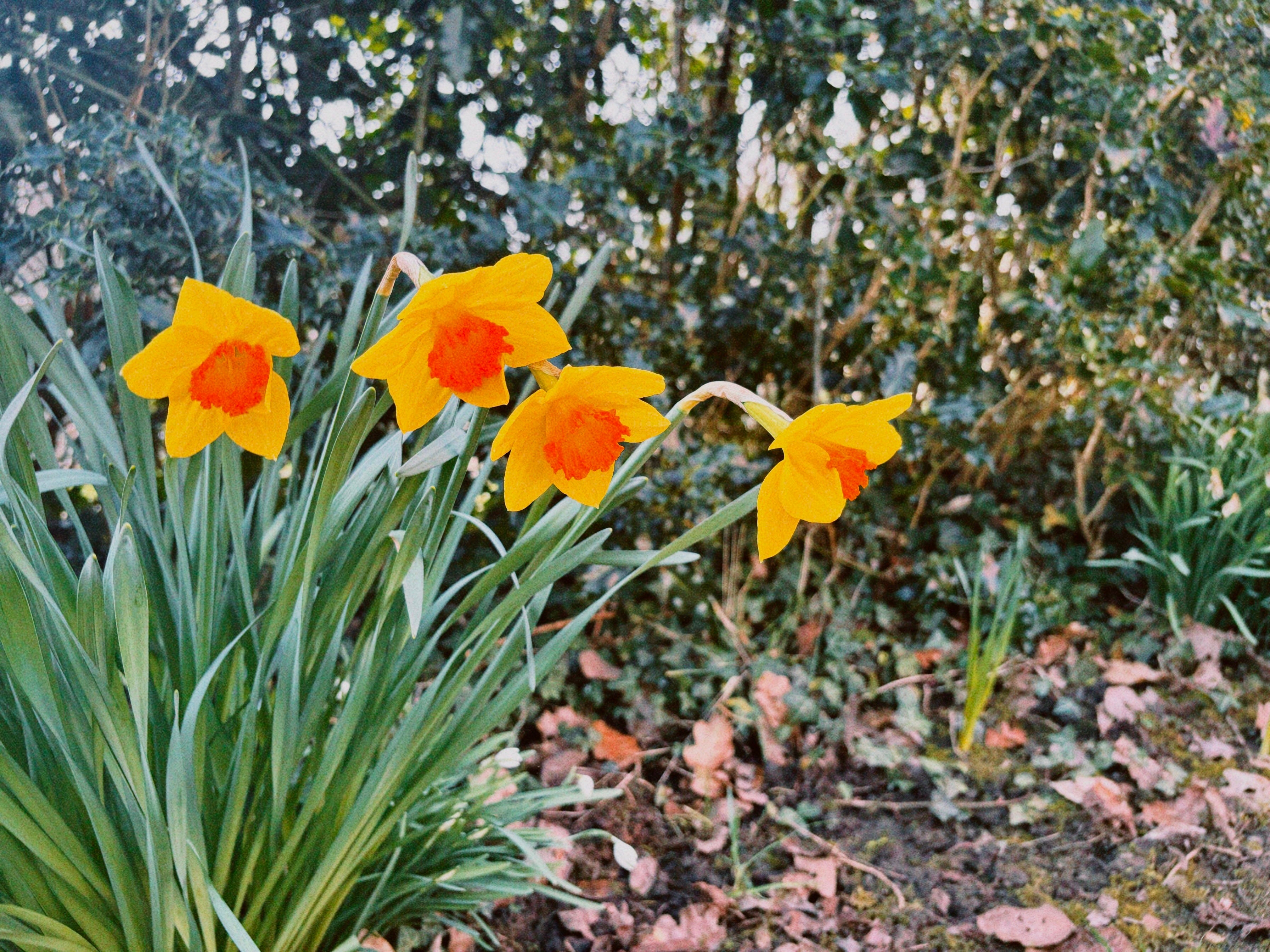
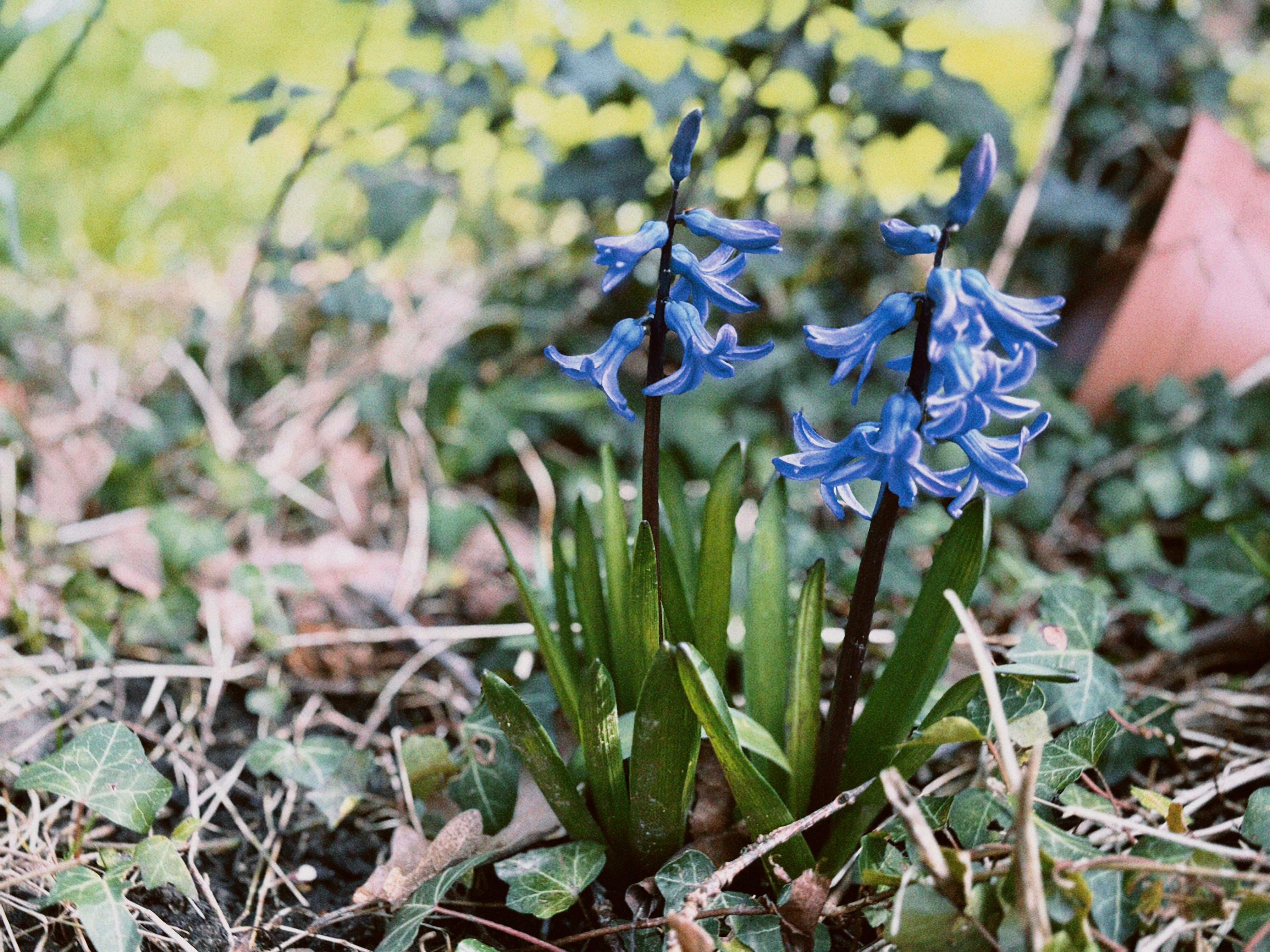
Now is the time to stretch those legs and wobble back out into the world, to greet the rain soaked earth and take a deep inhale. Shake off those winter blues and start fresh. And if there’s one thing we can thank the rain for, it’s the proliferation of flowers making their triumphant return; snowdrops, crocuses and daffodils line the hedgerows and roadsides. Spring is blooming. Although the temperature remains frigid, you can taste it on the air.
This is a time of great transition for me and my family—Viggo is 10 months old now and is determined to start walking (resulting in many a tumble and bump), and I have returned to work. Nursery is an adjustment for us all; my friend who is also a mother described it as losing a limb. While that sounds dramatic, the sentiment rings true. Viggo has been attached to me for 10 months (19 if you count pregnancy), and to suddenly be apart for eight hours a day five days a week is strangely disorientating. And, just as we have started to adjust to the upheaval of our routine, he comes down with a nasty cold resulting in five straight nights of no sleep. The joys of children, eh?
But as we all know we humans are immensely adaptable, and I already feel us falling into a new, steady rhythm. It’s been incredible to see my baby gaining confidence and making friends at nursery, and I’ve been enjoying throwing myself into a new role at work. Life carries on.
Yesterday was mother’s day here in the UK, while March is Women’s History month, and I have the divine feminine on the brain. As I settle into motherhood and emerge from the clutches of the newborn stage, I’ve been able to reflect on my experience thus far through a more objective lens. And yet, the whole thing still seems so big, so life-changing, that the mind struggles to wrap its head around the insurmountable thing I’ve just been through. Am still going through. Am currently in the thick of, in fact.
A recent BBC report2 described a study that found that pregnancy “has a profound structural impact on brains,” and suggests that “grey matter - the nerve-rich part of the brain involved in processing information, emotions and empathy - decreases by an average of nearly 5% during pregnancy.” The scientists that worked on the study suggest that rather than being a cause for concern, these changes to our brains make us more specialised and efficient at our new role: caring for our baby.

I wonder what parts of myself have I lost by choosing to become a mother? What the grey matter that my brain has lost contained? And, on the flip side, what have I gained? Because I do feel different, vastly so. Our brains are literally rewiring themselves on a scale comparable only to what we go through in adolescence. I do not think I was prepared for how profoundly motherhood would change me; I was aware, of course, of how my life would change, but I didn’t expect such a significant identity shift. As my son gets older I feel somewhat of a return to self, but it is strange to know that I will never be the woman I was before. One of the women who took part in the study said, “I was excited by the idea that I could meet a new, different version of myself,” which I think is beautiful. I, too, am trying to see this change as all part of the adventure.
I don’t quite know how to explain what, exactly feels different—so much of the journey into motherhood feels difficult to describe. It is as though the words don’t exist yet. Author and journalist Lucy Jones is championing for the word matrescence to enter our day-to-day vocabulary3: defined as the profound physical, psychological, hormonal, social, and emotional transition experienced during pregnancy, childbirth, and the postpartum period.
Jones argues that we don’t properly acknowledge “the psychological and physiological significance of becoming a mother: how it affects the brain, the endocrine system, cognition, immunity, the psyche, the microbiome, the sense of self.” When I was pregnant I was gifted a copy of Jones’ book Matrescence, but I found it too daunting to read before Viggo’s birth. It is an unflinching look into the most difficult parts of pregnancy, birth and motherhood: the loss of identity. The hormonal rollercoaster. The loneliness (did you know 38% of new mothers spend more than eight hours alone each day?). At the time, I wanted (needed) to surround myself with positive stories, with reassurance. But now that I have come out on the other side and can recognise that loneliness and identity crisis, I think I’m ready to pick the book back up.
Because these conversations are so, so important to have. Women shouldn’t have to feel alone during these potentially alienating times, and I feel so lucky that I have the support network I have. There is so much joy, and so much struggle, and it can be hard to articulate these simultaneous extremes. We just need to hold space for each other, to be patient and listen. There is so much we are still learning when it comes to women’s bodies, pregnancy and postpartum. We all know that women’s health is vastly under researched and underfunded, and so we must not be afraid to share our stories and experiences.4 Our words are our most powerful tool.

Meanwhile I’m doing my best to crawl out of my winter burrow and rejoin the world, to reawaken my brain and my creativity, but I am also comfortable being gentle with myself. I hope to bring you some more words soon, but it may not always be as reliably bi-weekly as before. I can feel the flickers of inspiration firing, however, and I’ll follow them where they lead.
Motherhood may have permanently altered my brain chemistry, but I am excited to meet these new versions of myself.
So let’s dust off the cobwebs and let spring reawaken us. It’s time to rejoin the fray.
Until next time 💛
https://news.sky.com/story/wettest-winter-on-record-for-parts-of-the-uk-says-met-office-13514283
https://www.bbc.co.uk/news/articles/cy0d59e7wjlo#:~:text=Even%20so%2C%20it%20offers%20clues,not%20pregnant%20stayed%20quite%20steady.
https://www.theguardian.com/books/2023/jun/29/matrescence-by-lucy-jones-review-the-birth-of-a-mother
Men’s stories matter too! Dads can struggle with the same things, and its just as important that they get the support they need.
And one more rewiring ahead—menopause! Recently participated in a conversation of the psychosocial aspects of all these phases. So fascinating.