
Sowing Seeds Slowly
on growing and failing in the age of instant gratification

Hello friends. I hope you all had a bright and joyful summer solstice, and that the weather is kind wherever you are. We’re doing our best to enjoy the heat wave currently affecting Europe with splashes in the paddling pool, ice creams, and cold beers in the garden. Schools and nurseries are closed due to the heat and everyone is sluggish and unmotivated, but after a cold, wet spring it truly feels as though summer has arrived ☀️
A few months ago when the last frost thawed and the earth was full of budding things, I bought myself a packet of calendula seeds. I’ve always dreamt of having a medicinal herb garden, and I thought this bright yellow bloom, which can be used for everything from salves to tinctures to salad garnish, would be the perfect starter plant. Google told me it was one of the easiest and most rewarding flowers to grow. I envisioned myself making gifts for my friends and family - little pots of heal-all-salve, sprinkled with saffron-hued petals. What could go wrong?
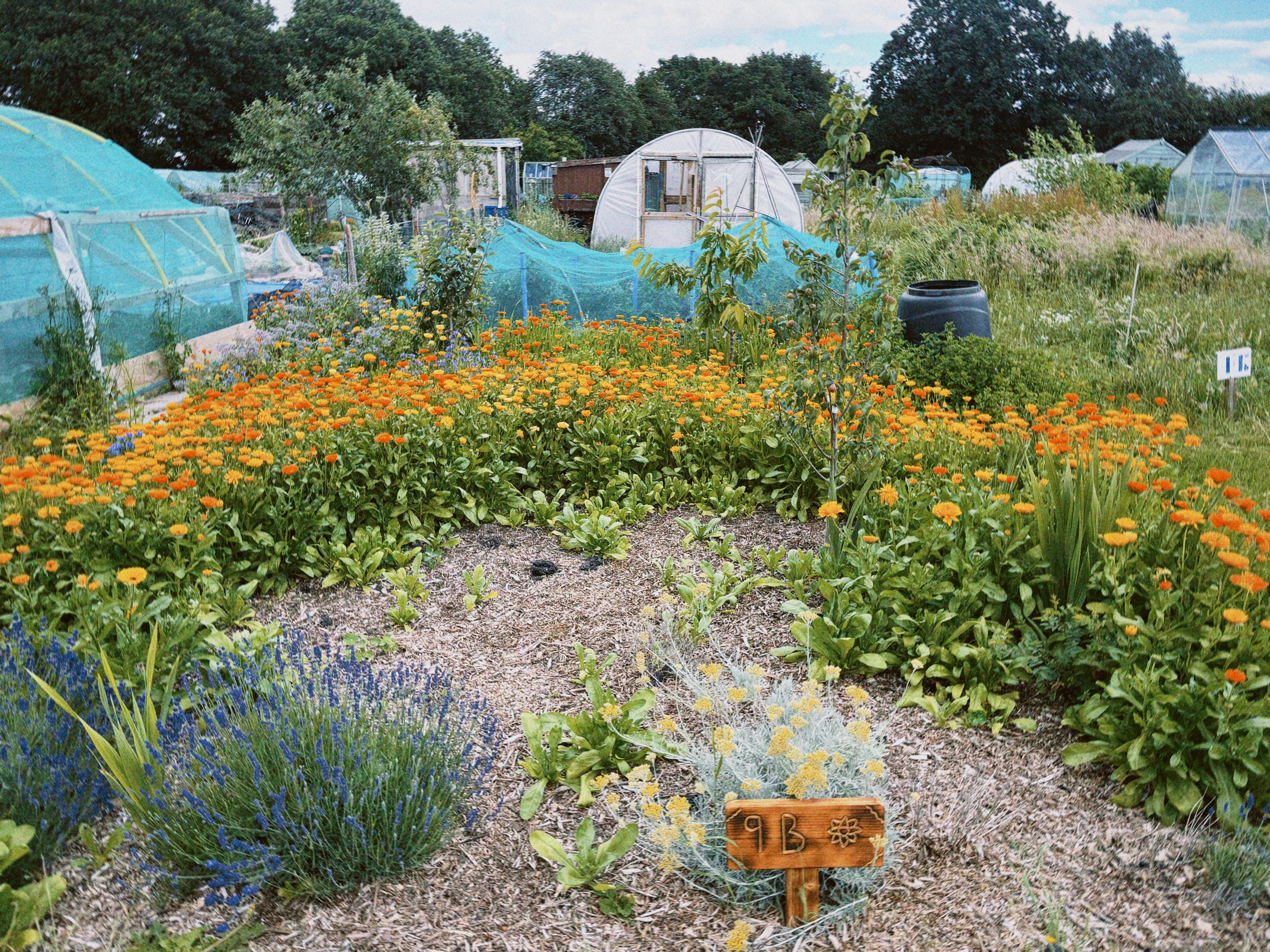
I cleared the soil in one of the beds at the allotment, evenly distributed my seeds in neat, orderly rows, gave them plenty of water, and waited. I even thought about buying a food dehydrator so that I could dry the flowers properly for all the salve making I was about to do.
But, I thought, let’s see how it goes first. My first calendula harvest.
Well, spoiler alert, I didn’t need the food dehydrator. Many things are blooming and blossoming at the allotment; we’ll soon have more potatoes than we will know what to do with, and the raspberries, onions, and rhubarb are prolific as always. I’m thrilled to report that we even have a few beets and broad beans, a new one for us this year, and the peppers, cucumber, and tomatoes we recently planted in the greenhouse seem to be thriving despite the heat.
But alas, when I went to check on the plants this weekend after a couple of weeks of extensive travelling (NYC for my hen-do, Sweden with family, and Edinburgh for my sister-in-law’s hen-do), I found the calendula bed a sad square of dry dirt and weeds. Not a single flower from the whole pack of seeds made it.
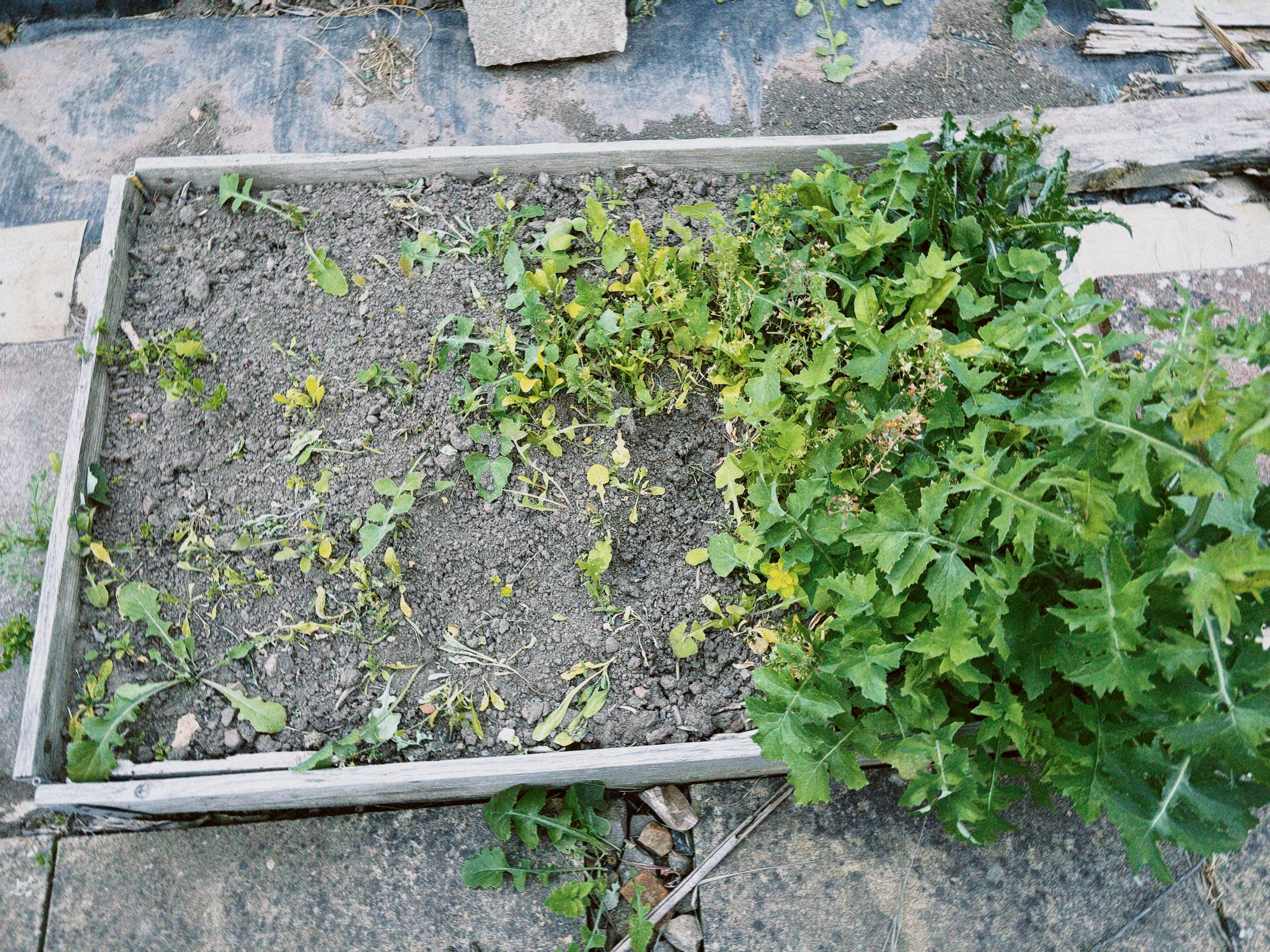
I’m not sure what went wrong - maybe I didn’t water them enough, maybe it rained too much. Maybe I planted them too early, or too late. I’m still new to gardening and could have made a million different mistakes.
Still: how lucky we are, really, to be able to do this for fun, knowing that we are not relying on these plants as a food source, like people have for most of human history. We get to harvest our potatoes and eat them with butter and meat and vegetables from our local Tesco. A full harvest is a bonus, not a necessity. And yet, it was either some long-buried ancestral instinct, or just plan stubbornness, that resulted in my deep disappointment. I did everything right - why didn’t I get the result I wanted?
These days we’re so used to that instant dopamine hit we have at our disposal, right there in our pockets. People are used to AI chatbots telling them they’re right, and good, and valid. We feel justified in everything we do. We’re always right.
But as we all know, nature is wild and unpredictable, and it is humanity’s greatest folly that we think we can control it. We see it again and again; the Icarus-like hubris of the mortal man who thinks he can ride a poorly made submarine to the bottom of the ocean, or make friends with wild grizzles, or send rockets into the atmosphere that explode again and again all while raining down detritus on a national wildlife refuge.
The sooner we come to accept that we are powerless against nature, the sooner we can begin to find joy in the freedom that brings. We can’t control it, we can only learn from it.
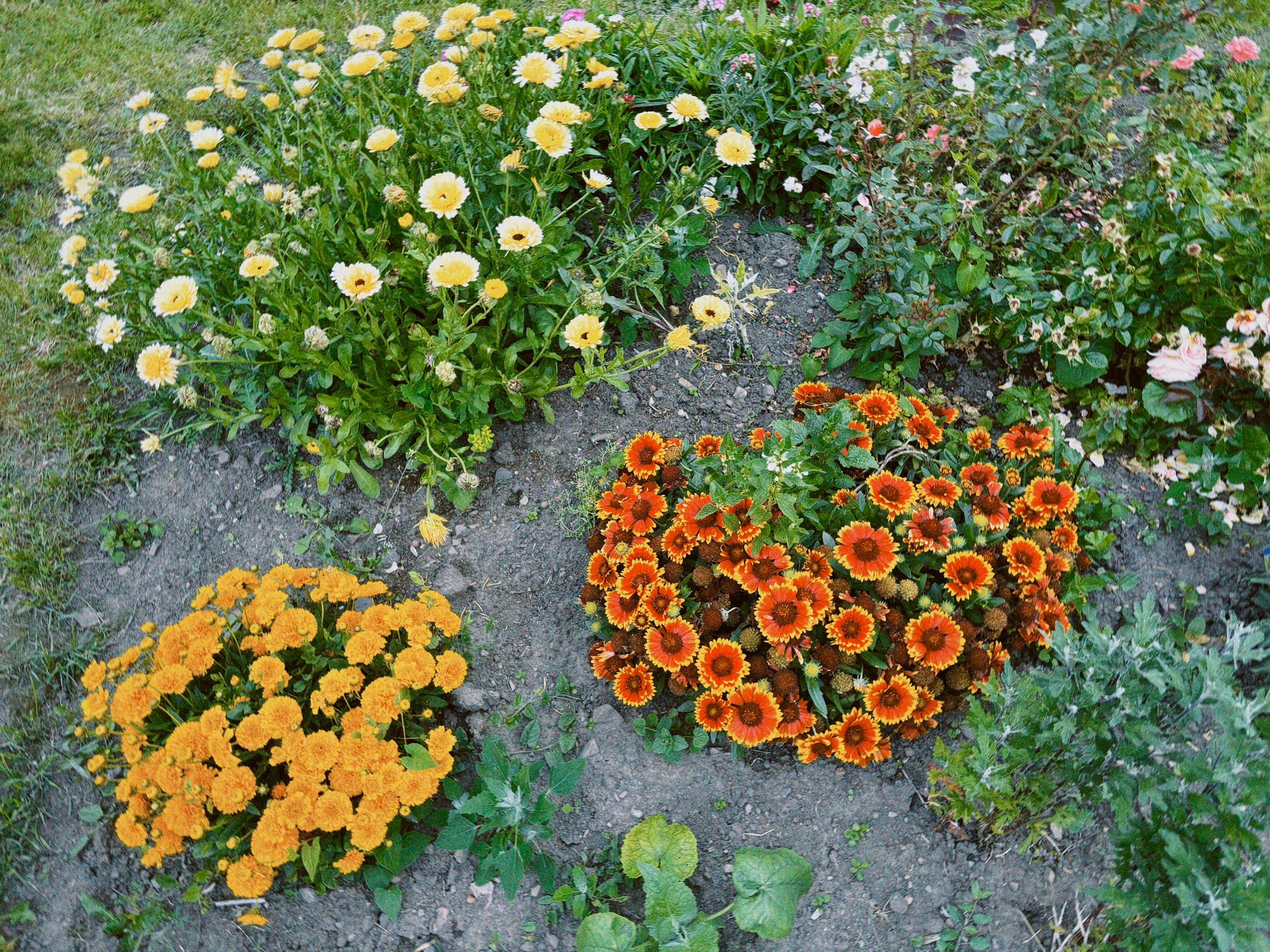
Recently my son Viggo brought home a spindly beanstalk in a plastic cup that he had grown from seed at nursery. They are reading Jack and the Beanstalk, and all the babies had planted seeds that would one day grow into beanstalks big enough to maybe let them find giants (cute). He, being a 13-month old, has no understand of or attachment to his little plant, but ever since it’s come home I find myself nurturing it obsessively, running out to the garden between meetings to direct it towards the sun or hide it in the shade, watering it and adjusting it against its trellis. I’m determined to keep this plant alive, but what I must come to terms with is that it may very well not survive. And even if it does grow tall enough to reach giants one day, the end comes for us all. As morbid as that sounds, I think plants can teach us a very important lesson about impermanence. We may do everything right, everything in our power, but sometimes things just don’t happen the way we want them to. Things come and go - people, animals, and plants. It’s the circle of life (cue The Lion King soundtrack).
I think, at the end of the day, I learned a lesson about letting go. Of expectations, of unhealthy attachments, of pride. Gardening has humbled me in a way I did not expect. You may pour your heart and soul into a little patch of land that in the morning has been decimated by slugs. You may do the same for a creative project, only to be forced to come to terms with the fact that it just isn’t going to make it (I swear I’m not talking about my novel here - I am still querying her and holding out hope!).
I was discouraged by my little calendula experiment at first, but now I am only inspired to try again. After all, would anything be rewarding if we always got it right the first time?
Here’s to trying and failing.
Until next time 🌼
Push forward with arms raised high. Seasons are for growth Calendula Queen! Love, love, love this!
the calendula failed, but the gardener didn't